Record the routine, not just the photograph
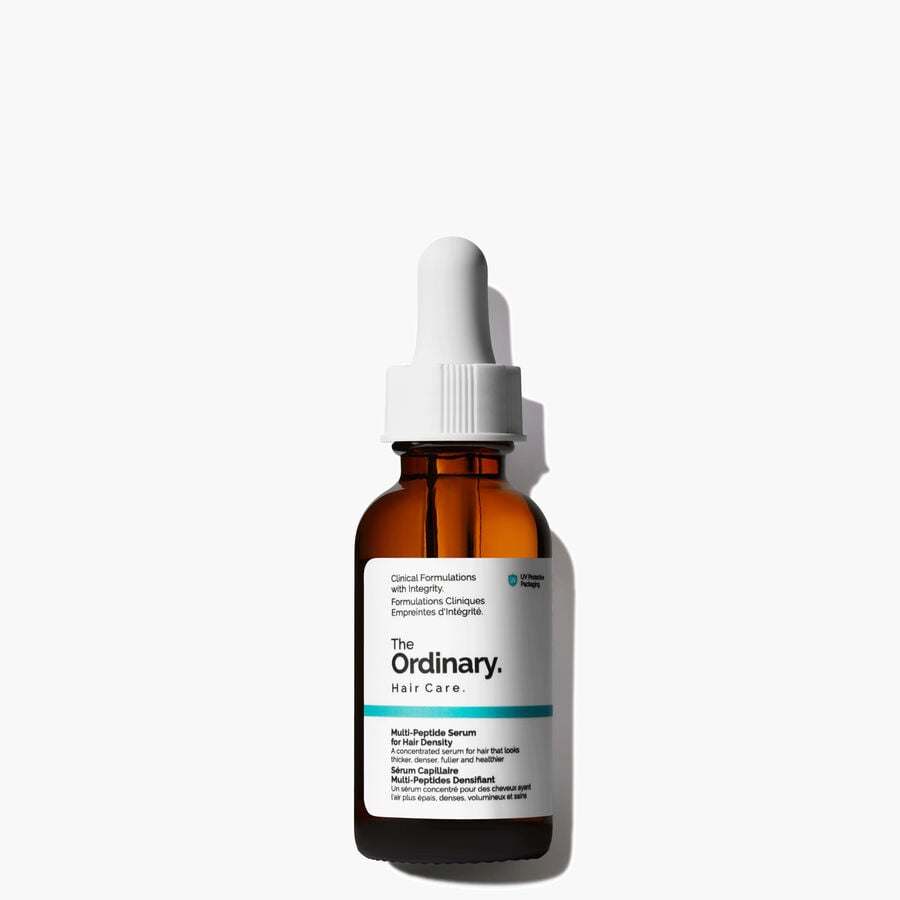
Note the exact product, start date, ordinary purchase cost and how often you actually use it. Keep track of other changes you would want to remember later, such as a haircut or a different styling routine. A before-and-after pair without that context can be surprisingly difficult to interpret.
If taking photos, use the same lighting, angle, parting and general hair condition. Wet and dry hair, freshly styled and unstyled hair, or a different parting can look very different. Avoid filters and do not edit the scalp area.
Separate different observations
Comfort, residue, ease of use and willingness to repurchase are useful product experiences. Perceived fullness, shedding and growth are different observations. A better-feeling routine does not automatically mean that new follicles or additional hairs have appeared.
Do not let one flattering photo outweigh the broader picture. A private log is a practical memory aid, not a controlled experiment. Without a comparator and appropriate measurement, causation remains uncertain.
Use the notes for the right decision
The notes can help you decide whether the cosmetic routine is pleasant enough to continue at its normal price. They may also help a clinician understand what you have used. They should not be used to delay assessment of worsening, sudden or unexplained loss.
Consumer-perception studies reported by brands are similarly worth reading as perceptions, with their sample size and duration in view. Do not turn a percentage of participants reporting an improvement into the percentage of hair that will grow back.
Sources & further reading
Product pages establish brand claims and label facts. They do not independently validate efficacy. Sources checked 14 September 2026.
- American Academy of Dermatology: diagnosis and treatment
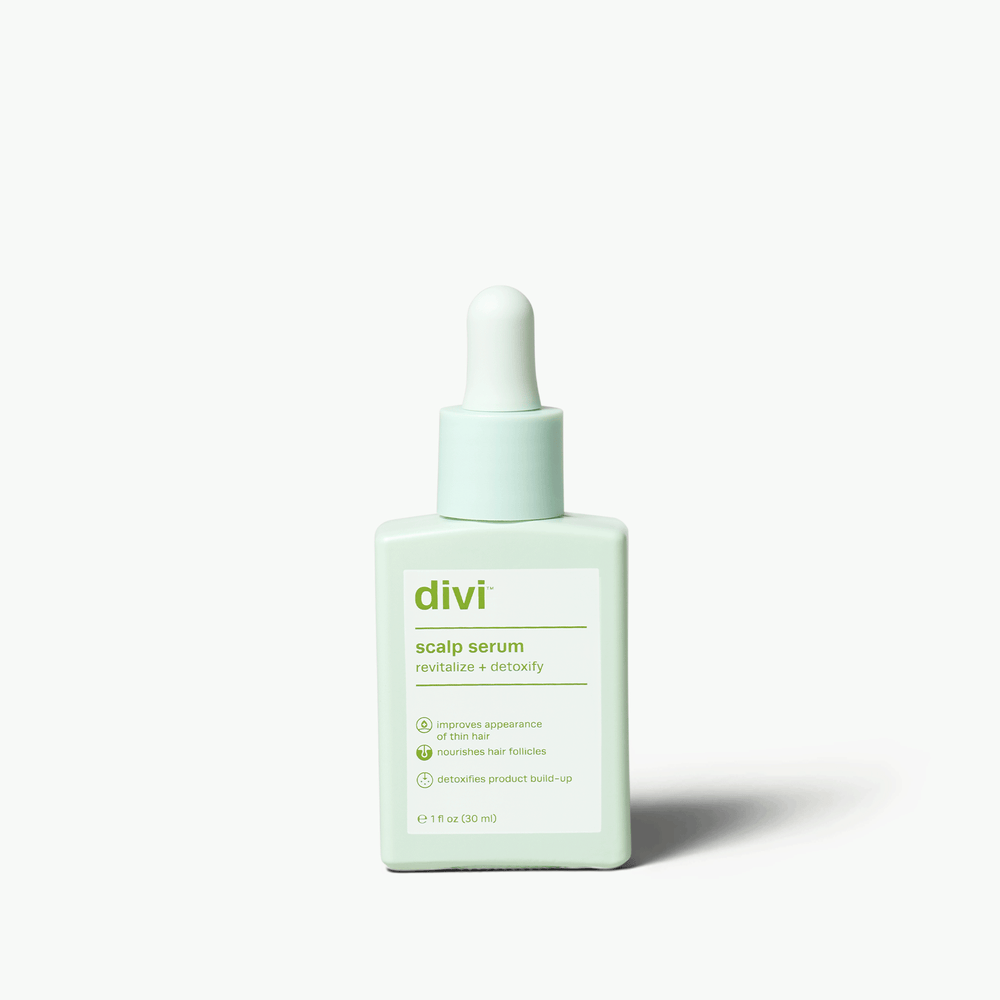
- Divi: Scalp Serum — official product and ingredients
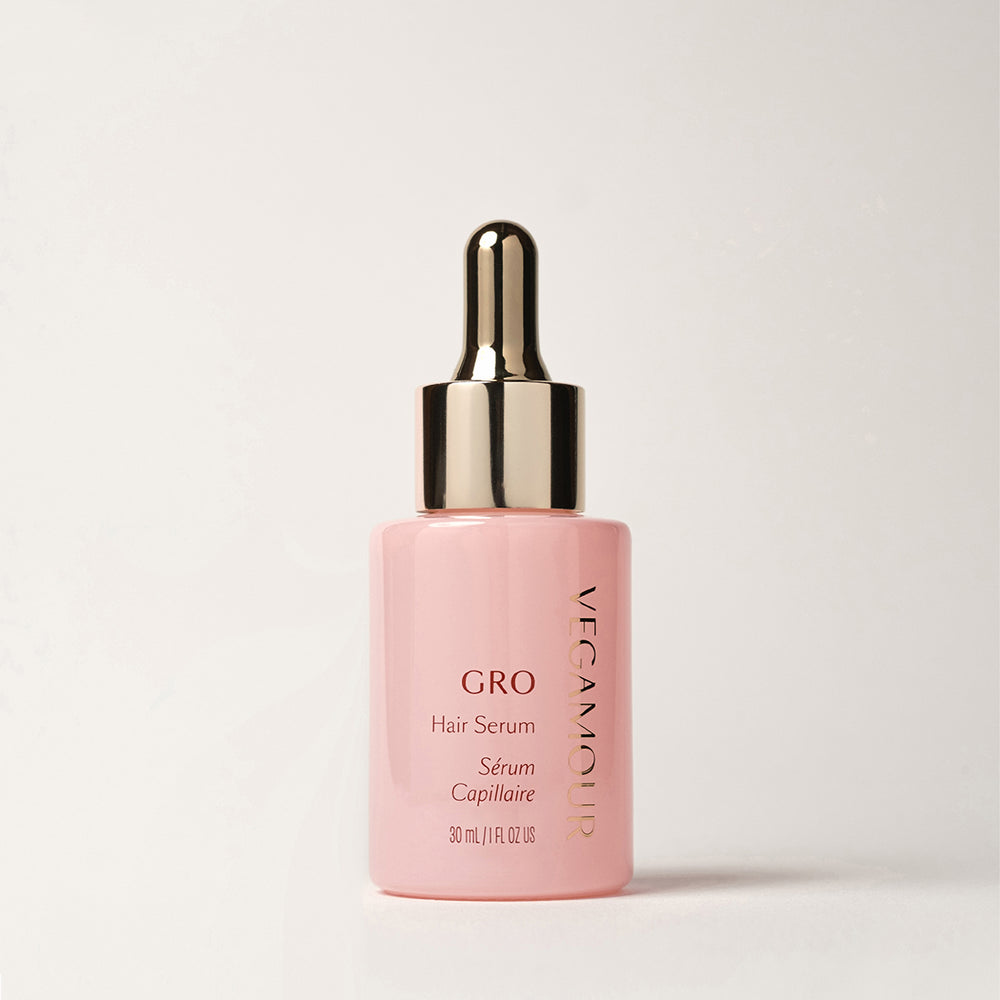
- Vegamour: GRO Hair Serum — official product and ingredients