Two different label questions
Multi-peptide asks how many peptide ingredients or technologies are being combined. Copper-peptide asks whether a particular type of copper complex is present. The categories can overlap: a multi-active serum may include a copper peptide alongside other peptides.
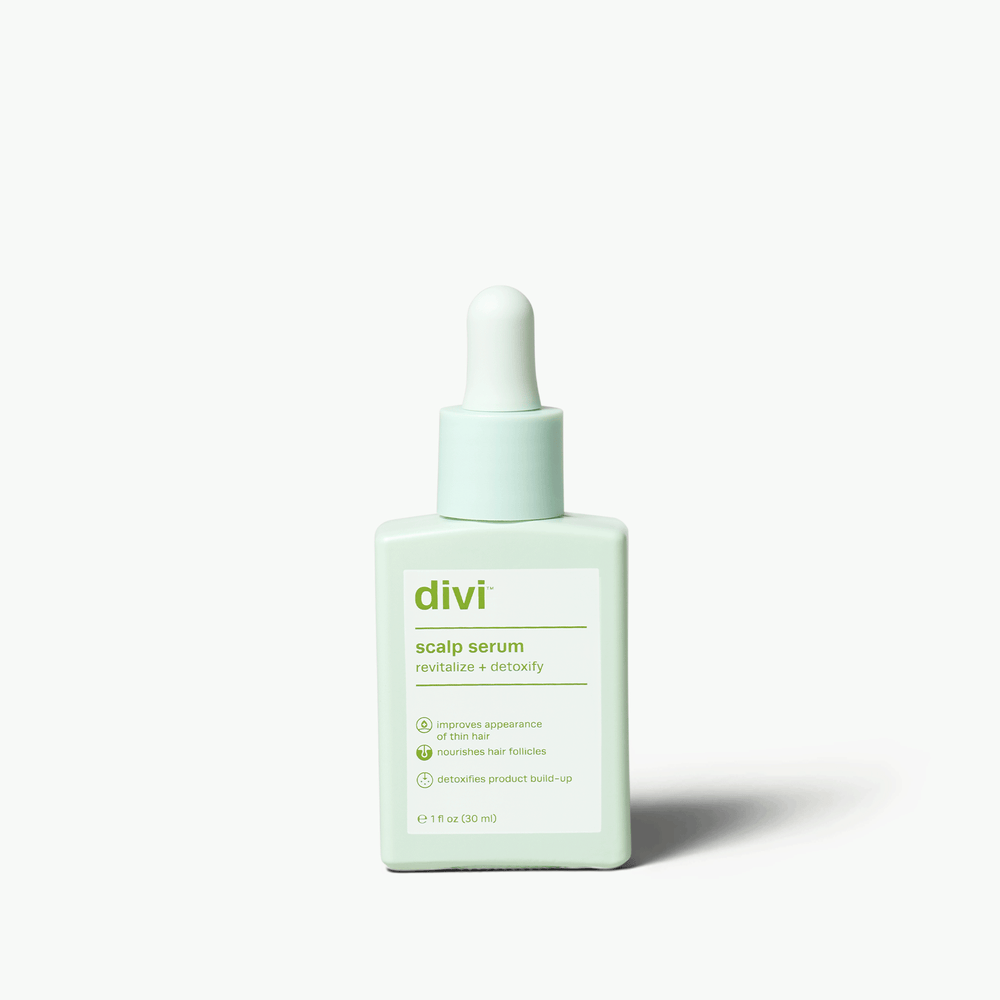
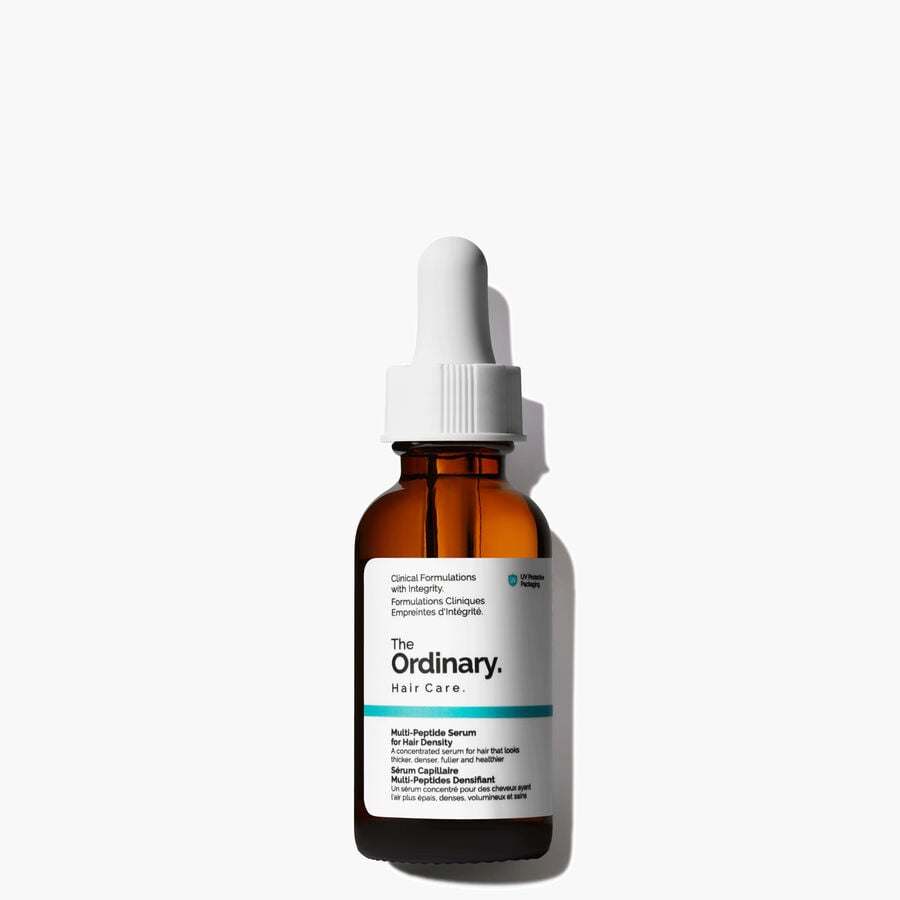
The Ordinary’s hair-density serum is a helpful example. Its checked list names Biotinoyl Tripeptide-1 and Acetyl Tetrapeptide-3, but not Copper Tripeptide-1. Divi names both Acetyl Tetrapeptide-3 and Copper Tripeptide-1. The front-of-bottle category alone would miss that distinction.
A practical way to compare
Write down the ingredient requirement first, then check the full INCI list on the selected regional product page. Keep product size and intended use in view. A face serum, scalp serum and styling treatment can share a family name without serving the same purpose.
If you are not committed to a copper ingredient, compare both categories on the ordinary purchase decision: formula preferences, comfort, routine fit and cost. The presence of more peptides does not create an automatic reason to pay more.
What the names do not tell you
Neither name establishes a proven regrowth effect. They also do not tell you whether the finished serum feels sticky, suits your scalp or is available for local delivery. Those questions require their own evidence. Our research reviews deliberately separate label facts from product experience we have not personally tested.
Sources & further reading
Product pages establish brand claims and label facts. They do not independently validate efficacy. Sources checked 14 September 2026.
- The Ordinary: Multi-Peptide Serum for Hair Density — official product and ingredients
- Divi: Scalp Serum — official product and ingredients
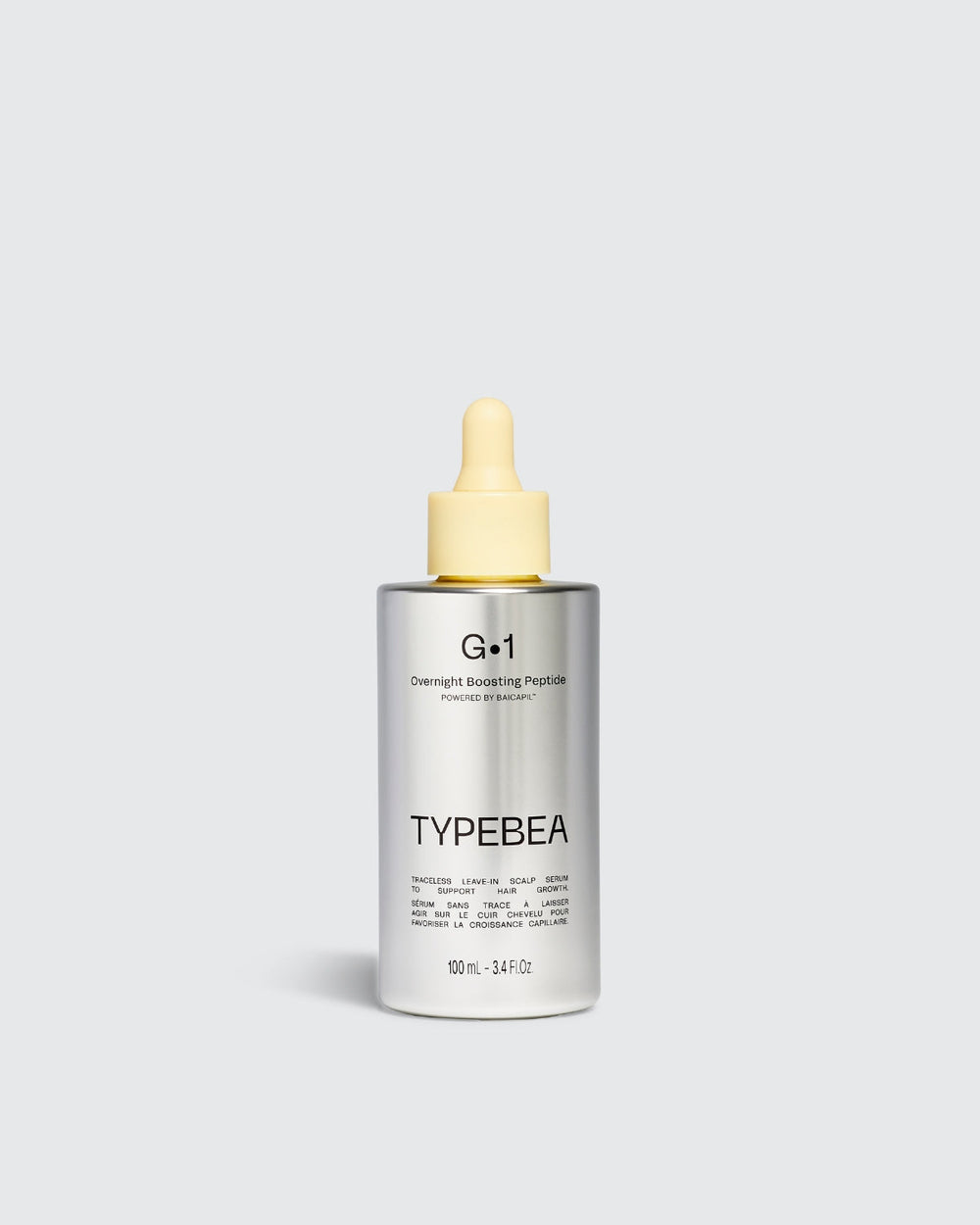
- TYPEBEA: G1 Overnight Boosting Peptide Serum — official product and ingredients
- Neurogan Health: GHK-Cu Hair & Scalp Serum — official product and ingredients